Pond Street rubbish removal Kentish Town guide
Posted on 15/05/2026

Pond Street rubbish removal Kentish Town guide: a practical local guide for faster, safer waste clearance
If you are dealing with a growing pile of rubbish near Pond Street, you are probably after something simple: a fast, reliable way to clear it without creating more stress. That might mean old furniture at the end of a tenancy, builders' debris after a renovation, garden cuttings after a weekend tidy-up, or just the sort of mixed household waste that seems to appear from nowhere. This Pond Street rubbish removal Kentish Town guide is designed to help you understand what the service involves, how to choose the right option, and how to avoid the usual headaches. Because let's face it, rubbish has a habit of taking over the minute you stop looking.
Here, you will find a clear explanation of how local rubbish removal works in Kentish Town, what to expect on the day, which mistakes to avoid, and when a professional collection makes more sense than a DIY trip to the tip. Along the way, we will also link to useful related pages so you can explore more specific services if you need them.
Why Pond Street rubbish removal Kentish Town guide Matters
Pond Street sits within a busy part of Kentish Town, where homes, flats, small businesses, and renovation projects can generate waste quickly. In a street like this, rubbish is not just an eyesore. It can block shared access, attract pests, create trip hazards, and make a property feel neglected. If you are trying to rent, sell, refurbish, or simply live comfortably, waste clearance matters more than people sometimes admit.
A good local removal plan helps you deal with waste before it spills into the rest of your schedule. A sofa waiting in the hallway can delay decorators. A stack of old plasterboard can slow a builder. A few bags of garden waste can linger for weeks if you do not arrange the right collection. In practice, tidy clearance is one of those background tasks that makes everything else run smoother.
It also helps to think about the wider Kentish Town picture. The area has a mix of period homes, compact flats, shared entrances, and active commercial spaces. That means rubbish removal needs to be practical, considerate, and fast. If you want a broader picture of services in the area, the services overview is a useful starting point, and the local waste collection service page shows how general collection can work for day-to-day clearances.
Expert summary: The best rubbish removal plan is rarely the most complicated one. It is usually the one that matches the type of waste, the access on your street, and how quickly you need the space back.
How Pond Street rubbish removal Kentish Town guide Works
Rubbish removal in this part of Kentish Town usually follows a fairly straightforward process, though the details depend on the type and amount of waste. Most collections begin with a quick description or quote request. You explain what needs removing, whether it is loose bags, bulky furniture, garden cuttings, or mixed builders' waste, and the provider estimates the level of labour and vehicle space required.
For many jobs, the team arrives, loads the waste, sweeps up the area, and takes everything away in one visit. That speed is a big part of the appeal. If you have ever spent a Saturday waiting for a borrowed van or trying to fit an awkward mattress into the back of a car, you will know the relief of handing it over to someone else.
Some collections are simple. Others need a bit more coordination. For example, a flat above a shop may need lift access and timed arrival. A house clearance may involve several rooms, attic items, and a careful approach to sorting. Builder waste often needs heavier handling and the right disposal route. If that is your situation, the dedicated builders waste disposal page explains the service in more detail.
The smoother the preparation, the smoother the collection. That is true almost every time.
Key Benefits and Practical Advantages
Choosing a proper local rubbish removal service brings more than convenience. It gives you time, space, and a better sense that the job is actually finished. A few of the main benefits are worth spelling out.
- Speed: You can clear waste quickly instead of letting it sit around for days or weeks.
- Less physical strain: Heavy lifting, awkward furniture, and dusty debris are handled for you.
- Better presentation: Useful if you are preparing a property for sale, rent, or inspection.
- Improved safety: Fewer trip hazards, less clutter, and fewer opportunities for damage.
- More suitable disposal: Waste is usually sorted and handled in line with current best practice.
- Local flexibility: Important on streets with limited parking or tight access.
There is also a quiet emotional benefit that people do not always mention. A cleared room feels different. Lighter, somehow. You can breathe in it again. That matters if you are in the middle of a move, a bereavement clearance, a renovation, or a long-overdue reset.
If sustainability is important to you, it is worth looking at the provider's approach to re-use and responsible disposal. The page on recycling and sustainability is a good reference point for understanding how waste can be handled more thoughtfully.
Who This Is For and When It Makes Sense
Rubbish removal near Pond Street is relevant to a wide range of people, not just homeowners with a garage full of clutter. In fact, some of the most common users are not the obvious ones.
- Tenants who need to clear bulky items before moving out.
- Landlords and letting agents dealing with leftover furniture or abandoned belongings.
- Homeowners tackling decluttering, decoration, or loft clear-outs.
- Builders and tradespeople with waste left after a small or medium project.
- Office managers disposing of broken desks, chairs, or outdated equipment.
- Garden owners with prunings, soil bags, branches, or seasonal cuttings.
It makes sense when waste is too much for ordinary household bins, too heavy for you to move safely, or too awkward for standard council collection timing. It also makes sense when speed matters. Maybe you are hosting guests, trying to finish a refurbishment, or simply fed up with the view from your front window. Fair enough.
For people living locally, it can be useful to read a bit more about the area itself too. If you are weighing up neighbourhood life and day-to-day practicality, the article on local advice on living in Kentish Town gives a broader sense of what everyday life is like here. For property buyers, the guide on acquiring property in Kentish Town may also be useful.
Step-by-Step Guidance
If you want to keep things simple, follow a practical sequence. A little planning goes a long way, and it saves that end-of-day panic where you realise the waste is still there and the driveway is blocked. Not ideal.
- Identify the waste type. Separate general rubbish, furniture, garden waste, and construction debris if possible.
- Estimate the volume. A few bags is very different from a full room of items or a post-renovation pile.
- Check access. Note stairs, tight hallways, parking restrictions, and any loading limitations on Pond Street.
- Take photos. Clear pictures often help with a more accurate quote.
- Ask how the waste will be handled. This is especially relevant if you want responsible sorting or recycling.
- Confirm timing. Make sure the arrival window works for your schedule and neighbours.
- Prepare the area. Move items to an accessible point if you can do so safely.
- Keep any items you want to retain separate. Once sorting starts, it is easy for small things to disappear into the general pile.
For more complex clearances, such as a full flat or office, it can also help to group items into categories before the team arrives. For example: keep, donate, recycle, dispose. That tiny bit of structure saves time later. Honestly, it saves arguments too.
If you are planning a larger property reset, you may also want to look at house clearance in Kentish Town or office clearance services, depending on the space you are clearing. These are especially helpful when the waste is mixed with furniture or documents that need careful handling.
Expert Tips for Better Results
There are a few small things that make rubbish removal smoother, and they are the sort of details people only learn after one or two awkward experiences. Sometimes the hard way. Here is what tends to help.
1. Put the most awkward items first in your planning
Large sofas, wardrobes, old mattresses, broken appliances, and heavy tables usually shape the job more than small bags do. If you know the bulky items, you can judge the service more accurately.
2. Think about parking before collection day
On a street like Pond Street, parking and loading space can influence timing more than you expect. If the vehicle cannot get near the property, the collection may take longer. A provider with local experience will usually take that into account, but it still helps to mention it early.
3. Separate anything reusable
Items in decent condition may be suitable for re-use, donation, or resale. Keep them apart if you can. It is a simple habit, but a good one.
4. Be clear about hidden extras
Waste stored in lofts, basements, sheds, or rear gardens can take more labour to remove. There is nothing unusual about that, but it should be discussed upfront so expectations stay clear.
5. Choose the right service type
Do not use a small general collection when you really need specialist furniture disposal or builders' waste handling. Matching the service to the job keeps pricing, timing, and disposal methods more predictable. If you are disposing of old furniture, the dedicated furniture disposal service may be the better fit.
One more thing: if you are not sure how much there is, say so. A good provider would rather hear "I'm not quite sure, it's a bit of a mix" than have a surprise mountain of waste on the day. Truth be told, that is normal.

Common Mistakes to Avoid
Most rubbish removal problems are preventable. They happen when people underestimate access, overestimate what will fit in one load, or leave the sorting until the last minute.
- Waiting too long to book: Especially risky if you have a move-out date or builders arriving.
- Mixing different waste types without checking: Some items need different handling.
- Forgetting access details: Narrow staircases and no-parking streets change the job.
- Assuming all waste is the same: Garden waste, builders' waste, and household rubbish are not interchangeable.
- Leaving everything until collection morning: That is how important items get thrown in by mistake.
- Choosing solely on price: Cheapest is not always best if the service is rushed or unclear.
A surprisingly common issue is poor sorting of mixed clearances. If a room contains old bedding, broken shelving, and leftover DIY rubble, it helps to sort the rubble separately if possible. It makes the clearance faster, and sometimes cleaner too. Mud and plaster dust have a way of getting everywhere, like they pay rent.
Tools, Resources and Recommendations
You do not need specialist kit for every rubbish removal job, but a few basics make preparation much easier. Think practical, not overengineered.
- Heavy-duty bags: Useful for mixed household waste and smaller debris.
- Gloves: Helpful when sorting sharp or dusty items.
- Labels or marker pens: Good for separating keep, donate, and dispose piles.
- Measuring tape: Handy if you are checking whether furniture will fit through doorways.
- Phone camera: Great for sending accurate photos before booking.
For local service information, the most relevant supporting pages are usually the pricing and quotes page, which helps you understand how estimates are typically arranged, and the about us page if you want to get a sense of the company behind the service. If you are comparing options across different jobs, the services overview is especially handy.
If your clear-out is part of a wider project, the blog archive can also be useful for local context. The Kentish Town posts on the area's surroundings and property investment strategies may not be about rubbish removal directly, but they help place the service in the wider rhythm of local property life.
Law, Compliance, Standards, or Best Practice
Waste disposal in the UK has to be handled carefully, especially where commercial waste, construction waste, or mixed materials are involved. You do not need to memorise regulations to arrange a collection, but it is sensible to choose a provider that works in line with accepted UK waste-handling practice.
In practical terms, that usually means waste should be transported to appropriate facilities, sorted where possible, and managed in a way that avoids fly-tipping or unsafe dumping. If a company is vague about where the waste goes, that is a red flag. A small one, maybe, but still a red flag.
For customers, the safest approach is to ask a few direct questions:
- How will the waste be sorted?
- Are different waste streams handled separately where needed?
- How do you deal with recyclable materials?
- What happens to bulky items or specialist waste?
- Can you explain any restrictions before booking?
Insurance and safety also matter. If rubbish needs moving through tight hallways, up stairs, or from a rear garden, good lifting practice and adequate cover are important. You can review the insurance and safety information for more on that side of things.
There are also basic trust and customer-data considerations. If you request a quote online, it is reasonable to check the site's privacy policy, as well as the terms and conditions. These pages are not glamorous, to be fair, but they do tell you a lot about how a business operates.
Options, Methods, or Comparison Table
Not every clear-out needs the same approach. Sometimes a standard collection is perfect. Other times, a more focused service saves time and money. Here is a simple comparison.
| Option | Best for | Pros | Things to watch |
|---|---|---|---|
| General rubbish collection | Mixed household waste, bagged rubbish, small clearances | Quick, flexible, easy to arrange | Less suited to very bulky or specialised waste |
| Furniture disposal | Sofas, beds, wardrobes, chairs, tables | Ideal for heavy items and awkward lifting | May need more planning for access and size |
| Builders' waste disposal | Rubble, timber, plasterboard, renovation debris | Better for construction-related mess | Requires clearer waste identification |
| House clearance | Full or partial property clear-outs | Useful for larger, multi-room jobs | Needs more time and coordination |
| Garden waste removal | Branches, clippings, soil bags, hedge trimmings | Good for seasonal tidy-ups | Wet green waste can be heavier than expected |
If you are still unsure, start by asking what kind of waste you have most of. That one question usually narrows things down quickly. For garden-specific jobs, the dedicated garden waste removal service is worth a look.
Case Study or Real-World Example
Here is a realistic example from the kind of job that comes up often around Kentish Town, without any unnecessary drama.
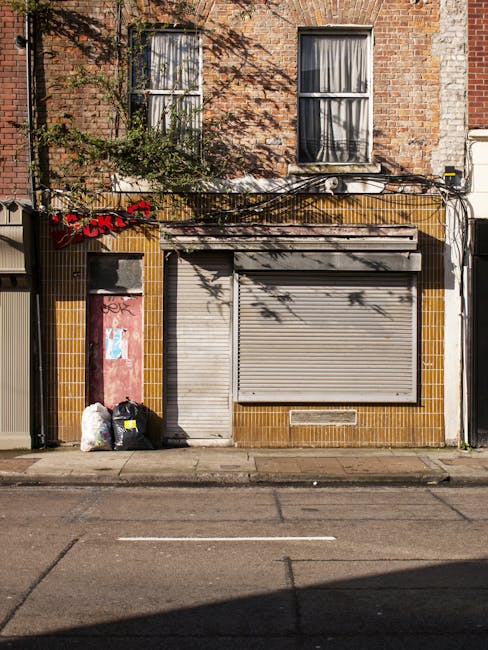
A resident on Pond Street has just finished redecorating a two-bedroom flat. In the hallway are two broken armchairs, a dismantled bookcase, several bags of old clothes and paper, and a pile of leftover packaging from the renovation. There is also a small stack of garden trimmings from the shared rear space. It is not a huge job, but it is awkward enough to cause delay if left alone.
Instead of trying to handle it in stages over several weekends, the resident takes photos, separates anything they want to keep, and books a local collection. On arrival, the team loads the bulky items first, then clears the lighter bags and sweep-up debris. The whole flat feels ready again. Not perfect, not magazine-shoot perfect, just properly usable. That is usually the real goal.
What made the difference? Three things: accurate description, manageable access, and choosing a service suited to the waste type. Small details, big impact.
Practical Checklist
Use this quick checklist before your rubbish removal appointment. It keeps things calm and avoids last-minute surprises.
- Identify what needs removing
- Separate keep, donate, recycle, and dispose items
- Take clear photos for a quote
- Note stairs, parking, or access restrictions
- Measure large furniture if needed
- Check whether any items need specialist handling
- Confirm the collection time and contact details
- Make the waste as accessible as safely possible
- Keep valuables and important documents out of the clearance area
- Review pricing, terms, and safety information before booking
If you want a quick next step, explore the relevant service page that matches your waste type, then compare that with the quote details. Simple. Clear. Less faff.
Conclusion
A good Pond Street rubbish removal service should save you time, reduce stress, and leave the space genuinely easier to live or work in. The key is matching the service to the job, preparing a little in advance, and choosing a provider that handles waste responsibly and transparently.
Whether you are clearing a single sofa, dealing with renovation debris, or emptying a whole room, the process becomes much easier when you know what to expect. That is really the point of this guide: fewer surprises, fewer delays, and a cleaner finish at the end of the day.
Get a free quote today and see how much you can save.
 Tipper Van - Waste Removal and Waste Collection Prices in Kentish Town
 Luton Van - Waste Removal and Waste Collection Prices in Kentish Town


