Camden Council rules for rubbish disposal in Kentish Town
Posted on 07/07/2026

Camden Council rules for rubbish disposal in Kentish Town: a practical local guide
If you live, work, rent, or manage property in Kentish Town, rubbish disposal is one of those everyday jobs that looks simple until it isn't. Bags end up on the pavement too early, bulky items don't fit in the bin store, and suddenly you're wondering what Camden Council actually expects. This guide breaks down Camden Council rules for rubbish disposal in Kentish Town in plain English, with the kind of detail that helps in real life, not just on paper.
You'll learn how the system works, what tends to go wrong, which habits keep you on the right side of local rules, and when a professional collection may be the cleaner option. If you're sorting out a one-off clear-out, moving home, or dealing with repeated bin problems in a flat share, this should give you a solid footing. And yes, some of the rules are a bit mundane. But getting them right saves time, hassle, and that awkward moment when a neighbour points out your bin bag has become the whole street's problem.
Why Camden Council rules for rubbish disposal in Kentish Town matters
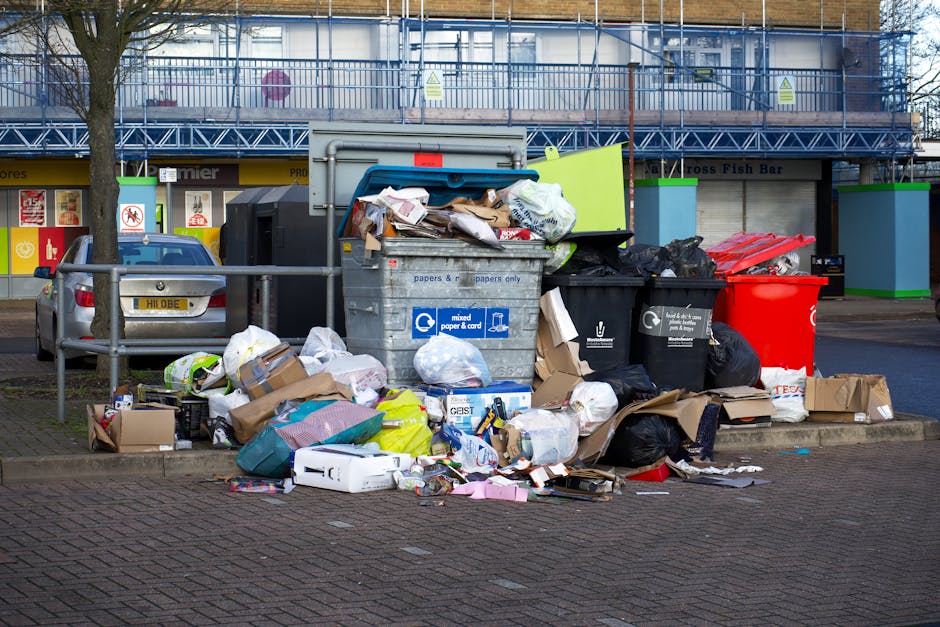
Rubbish rules matter for three big reasons: cleanliness, safety, and community life. Kentish Town has a mix of Victorian terraces, mansion blocks, converted flats, shops, offices, and tighter side streets. That means waste can become visible very quickly. One untidy pile outside a building can look messy by lunchtime and become a nuisance by evening. Let's face it, nobody wants to step around a broken chair on the pavement while carrying shopping or pushing a buggy.
Camden Council's waste expectations are there to keep streets usable and reduce fly-tipping, pests, smells, and blocked access. In areas with limited space, the difference between "stored properly" and "left out awkwardly" can be tiny but important. If you live near busier routes, or in one of the denser parts of NW5, you'll notice how fast a small issue spreads: a cracked black bag, a missed collection, a box left beside the bin store, and suddenly everything looks worse.
It also matters because waste mistakes can create avoidable costs. A missed collection might mean extra trips to move bags. Incorrectly disposed bulky items may need rebooking. In shared homes, unclear bin routines often lead to arguments no one really wants to have. To be fair, these are not dramatic issues - just the kind of annoying little things that eat into your week.
For residents thinking more broadly about local living standards, waste handling is part of the picture of what makes a neighbourhood pleasant or frustrating. If you are weighing up the practical side of life in the area, our local advice on living in Kentish Town is a useful companion read.
How Camden Council rules for rubbish disposal in Kentish Town works
The basic principle is straightforward: waste should be presented in the right container, at the right time, in the right place, and in a way that does not create a hazard or obstruction. That sounds obvious. In practice, the detail is where people trip up.
Most households in Kentish Town deal with a combination of general waste, recycling, food waste, and occasional bulky items. Where bins are provided, they should be used correctly and stored sensibly. Where a property has limited bin storage, residents or managing agents usually need to plan ahead so bags are not left on pavements or in shared hallways. In flats, the bin system can be the difference between a smooth week and a small domestic crisis.
Bulky waste is a different category. Sofas, wardrobes, broken bed frames, white goods, and larger items need separate handling. Sometimes this is done through a local collection process; sometimes it is easier to arrange a private pickup through a licensed waste carrier. If access is tight, or the item is heavy, a service designed for awkward loads can be a real relief. Our guide to common bulky waste collection problems in Kentish Town is helpful if you've already hit one of those annoying snags.
For builders' rubble, renovation offcuts, damaged plasterboard, timber, and mixed construction waste, the rules are stricter and the expectations are different again. That is why many property owners and contractors choose a specialist route rather than trying to wedge builder's waste into household systems. If that sounds familiar, see builders waste disposal in Kentish Town for a practical overview.
There is also a timing element. Leaving waste out too early can be treated differently from putting it out at the proper collection window. Missed timing can cause bags to sit out overnight, which is when problems multiply. Rain, foxes, wind, and passing pedestrians are not a brilliant combination. One slightly soggy bin bag can become a very obvious mess by morning.
Key benefits and practical advantages
Following Camden Council waste rules is not just about compliance. It makes daily life easier in several practical ways.
- Cleaner streets: waste is less likely to spill, smell, or attract pests.
- Fewer disputes: clear bin habits help shared households, landlords, and building managers.
- Less risk of penalties or complaints: proper disposal reduces the chance of avoidable enforcement issues.
- Better access for everyone: pavements, entryways, and bin stores stay usable.
- Less wasted time: you do not keep rearranging waste after a missed or refused collection.
There is a quieter benefit too: good waste habits make a property feel better run. That matters whether you are a tenant trying to stay organised, a landlord keeping common areas tidy, or a homeowner who simply wants to avoid the weekly bin shuffle. Truth be told, a neat bin area can make a building feel calmer than any fancy hallway ever will.
It can also support sustainability. Sorting waste correctly makes recycling easier and reduces what ends up in general rubbish. If you want a broader view of responsible disposal and reuse thinking, our recycling and sustainability page fits neatly with this topic.
Who this is for and when it makes sense
This guidance is relevant to more people than you might think. It is not just for homeowners with overflowing sheds.
Homeowners and tenants
If you live in a flat, terrace, or converted building, waste routines can become part of the household rhythm. Small mistakes add up quickly. A few extra bin bags, a mattress left in the wrong place, or a recycling mix-up can create ongoing friction.
Landlords and letting agents
Managing waste is often overlooked until there is a complaint. Clear instructions for residents, sensible bin storage, and a plan for bulky items can stop minor messes from becoming repeated problems.
Property managers and block managers
Shared bin stores, limited access, and mixed occupancy are common in Kentish Town. If you are responsible for a building, waste handling affects appearance, access, and resident satisfaction all at once.
Businesses and offices
Offices generate packaging, paper, old furniture, and the occasional purge of forgotten equipment. An organised disposal approach prevents clutter from taking over. If that sounds familiar, office clearance in Kentish Town may be a better fit than trying to manage everything piecemeal.
People dealing with a big clear-out
House moves, bereavement clearances, end-of-tenancy cleanups, and refurbishments all create more waste than a normal week. In those moments, the question is not only what can be disposed of, but how quickly and safely. For larger domestic projects, a house clearance in Kentish Town can remove a lot of friction.
Step-by-step guidance
If you want to stay aligned with Camden Council expectations, a simple routine helps. No need to overcomplicate it.
- Sort the waste first. Separate general waste, recycling, food waste, and any bulky or special items. A quick five-minute sort is better than a rushed pile near the front door.
- Check what the item actually is. A broken chair, for example, may be bulky waste rather than ordinary household rubbish. Mixed materials can be tricky, especially if something includes metal, fabric, and wood all at once.
- Store waste securely until collection. Keep bags inside your property or in the designated bin area until it is time to present them. Try not to create trip hazards in hallways or shared entrances.
- Use the correct container or service. If your property has bins, use them as intended. If you have an item too large for normal collection, plan a separate disposal route.
- Respect the collection timing. Put waste out when it is meant to go out, not the night before unless that is specifically appropriate for your building or collection arrangement.
- Keep access clear. Bin crews, collection vehicles, and neighbours all need space to move. A tightly parked car or a locked gate can be enough to derail a pickup.
- Follow up quickly if something is missed. Do not leave a pile growing for days. Tackle the issue while it is still manageable.
Here is the bit people often skip: if an item needs dismantling, do it before collection day, not while balancing on a hallway corner with a screwdriver in your mouth. That is how tiny jobs become comedy. And nobody needs that on a Tuesday morning.
For local collection logistics, access issues, and awkward street layouts, our access guide for rubbish collection in Kentish Town gives a good sense of what tends to matter on the ground.
Expert tips for better results
A few practical habits make rubbish disposal much easier in Kentish Town, especially where space is tight.
Use clear labels in shared homes. If everyone knows what goes where, problems drop fast. A small note by the bin store can save a lot of guessing.
Break bulky waste down where safe. Flat-pack furniture, cardboard, and some light timber can be reduced in size. Smaller loads are easier to move, easier to sort, and often easier to collect.
Keep a "disposal pile" separate from the living area. Once an item is definitely going, set it aside neatly rather than letting it drift around the house for a week.
Photograph awkward items before booking a collection. It helps with planning and avoids surprises on the day. Simple, but surprisingly effective.
Think about access before you book. Narrow staircases, basement flats, controlled entry points, and permit pressure can all affect how waste gets removed. If in doubt, plan for the practical reality, not the ideal version.
Match the service to the load. Garden cuttings are not the same as office furniture. Nor are a few bin bags the same as a full flat clearance. Choosing the right method saves time and usually money too. If you are handling outside waste, a garden waste removal service in Kentish Town may suit much better than a general clear-out.
One more thing. If you are comparing options, read the terms carefully and ask what happens if access is awkward or the load is larger than expected. That is where misunderstandings like to hide.
Common mistakes to avoid
Most rubbish headaches come from a few familiar errors. The good news? They're usually avoidable.
- Leaving waste out too early. It looks harmless at first, then weather and passers-by turn it into a problem.
- Mixing the wrong materials. Recycling contamination can cause the whole load to be treated differently.
- Forgetting about bulky item rules. Sofas, mattresses, and appliances often need separate handling.
- Blocking pavements or entrances. This is one of the fastest ways to cause complaints.
- Assuming one size fits all. Household, garden, office, and construction waste each have different practical requirements.
- Booking a collection without checking access. A van cannot collect what it cannot reach, frustrating as that sounds.
- Letting waste linger after a partial clear-out. "I'll deal with the rest tomorrow" can turn into a pile that stays for a week.
Another common one: people underestimate the cost of hidden delays. If a crew cannot get close to the property, or if extra sorting is needed on site, the job becomes more complicated. That is why clear expectations matter. Our guide to avoiding hidden rubbish removal charges in Kentish Town is worth reading before you book anything sizable.
Tools, resources and recommendations
You do not need a toolkit worthy of a builder's van to manage rubbish properly, but a few simple things help.
- Strong reusable bags or sacks: better for carrying sorted waste without tearing.
- Labelled containers: useful in shared houses or small offices.
- Measuring tape: helpful for checking whether furniture or appliances will fit through doors or down stairs.
- Gloves and basic protective gear: sensible when handling sharp edges, broken glass, or dusty items.
- Phone camera: useful for recording bulky items before disposal or collection.
- Notebook or app reminder: handy for collection timings, particularly in busy households.
For people who prefer a managed solution, the wider service information is useful context. See the services overview if you want to understand the types of collection and clearance support available. If pricing is the main question, start with pricing and quotes so you can compare options without guesswork.
If you are dealing with furniture, damaged wardrobes, or a full room of old pieces, furniture disposal in Kentish Town is another relevant route. It is often a cleaner choice than trying to dismantle everything yourself, especially in a flat with tight stairs and low ceilings. Been there, regretted that.
Law, compliance, standards, or best practice
It is important to be careful here. Waste rules can be influenced by local procedures, property type, building management rules, and general UK waste responsibilities. Rather than trying to guess exact council procedures, it is safest to think in terms of accepted best practice: store waste properly, separate materials where required, present items responsibly, and use lawful disposal routes.
In the UK, people and businesses have a general duty to avoid careless disposal. That means not leaving rubbish where it creates a nuisance, not fly-tipping, and not handing waste to someone who cannot demonstrate a proper disposal route. For landlords, managing agents, and businesses, this becomes even more important because repeated waste issues can affect residents, customers, and building access.
Best practice is also about record-keeping and responsibility. If you arrange removal through a service, make sure the load is described honestly. If you are clearing a property, note what has been removed and what remains. This is especially helpful during end-of-tenancy work, office moves, or renovation projects.
Where specialist waste streams are involved, such as construction debris, garden cuttings, or old office equipment, follow the route that matches the waste type. A sensible approach avoids contamination and reduces the chance of the load being refused or poorly handled. For more on the company's approach to responsible operations, their insurance and safety information is also useful background.
Small caution, though: if you are ever unsure whether something counts as hazardous or needs special handling, pause and check before placing it with general rubbish. The safe option is usually the better one. No drama, just fewer headaches later.
Options, methods, or comparison table
There is more than one sensible way to deal with rubbish in Kentish Town. The right choice depends on volume, access, time, and how hands-on you want to be.
| Method | Best for | Strengths | Limitations |
|---|---|---|---|
| Standard household bins | Everyday waste and recycling | Simple, routine, usually the most convenient | Not suitable for bulky or unusual items |
| Separate bulky waste handling | Sofas, mattresses, appliances, mixed large items | Designed for awkward items, avoids bin overflow | Needs planning and correct presentation |
| Garden waste removal | Cuttings, soil, green debris, prunings | Keeps outdoor waste separate and manageable | Not ideal for mixed household rubbish |
| House clearance | Moves, probate, end-of-tenancy, major decluttering | Handles larger volumes efficiently | Requires more coordination |
| Office clearance | Desks, chairs, files, old equipment | Good for commercial spaces and time-sensitive jobs | May need careful planning around access and working hours |
| Licensed waste collection service | Loads that are awkward, urgent, or too large for normal bins | Fast, flexible, often easier for access-heavy properties | Usually a paid option |
For many people, the decision comes down to one question: do you want to manage the waste yourself, or do you want it handled in one go? If you are short on time, working around stair-heavy access, or simply want to avoid several trips, a professional approach can be worth it.
If you are specifically dealing with a load on a tighter timeframe, urgent same-day rubbish removal for Kentish Town clearouts is a useful reference point. And if you are planning around a bigger move or property project, acquiring property in Kentish Town and Kentish Town's best property investment strategies show how waste planning fits into the wider property picture.
Case study or real-world example
Picture a typical Kentish Town flat on a narrow residential street. The tenant is moving out, the hallway is tight, and there are three main problems: a broken desk, two large bags of mixed household waste, and an old wardrobe that does not fit through the door in one piece. Add a rainy Thursday evening and a neighbour who is clearly not thrilled about anything placed in the communal entrance. Standard bin disposal is not going to solve that neatly.
In a case like this, the best approach is usually to sort the waste by type, dismantle what can be safely broken down, and arrange removal so the load leaves in one visit. The tenant avoids multiple lift trips, the hallway stays clear, and the building is not left with half a wardrobe leaning against the wall like a bad stage prop.
Another common scenario is a small office near local transport links that needs a quick clear-out after replacing furniture. Office chairs, packaging, filing cabinets, and old electronics often pile up faster than expected. Trying to fit all that into routine waste streams can be messy. A planned office clearance gets the job done with less disruption to staff and neighbours.
What both examples show is that rubbish rules are not just about what is allowed. They are about choosing the method that keeps the space functional while the waste is leaving. That is the part people feel in the real world.

Practical checklist
Use this quick checklist before you put anything out or book a collection.
- Have I separated general waste, recycling, food waste, and bulky items?
- Is the item suitable for normal bin disposal, or does it need a separate route?
- Have I checked whether it needs dismantling first?
- Is the waste stored safely and not blocking access?
- Do I know the collection time or booking window?
- Have I considered access problems like narrow stairs, locked gates, or parking restrictions?
- Am I clear on whether the load is household, garden, office, or construction waste?
- Have I removed anything hazardous or uncertain from the pile?
- Is there a simple way to describe the load if I book a service?
- Have I chosen the option that best fits the time and space I actually have?
If you can tick most of those off, you are already ahead of the average rush job. Honestly, that alone can save a lot of grief.
Conclusion
Camden Council rules for rubbish disposal in Kentish Town are really about good habits, sensible timing, and using the right route for the right kind of waste. Once you understand the basics, the whole thing becomes less stressful. Keep waste sorted, avoid leaving it out too early, think through access, and match bigger items to a disposal method that suits them. Simple enough, though not always glamorous.
The people who have the easiest time with rubbish are usually the ones who plan just a little bit ahead. Not perfection. Just enough planning to avoid the Friday-night pile-up by the front door. If you live in a flat, manage a property, or run a small business, a tidy waste routine pays you back quietly every week.
Get a free quote today and see how much you can save.
And if you're still weighing up the practical side of Kentish Town living, a better rubbish routine is one of those small wins that makes the area feel easier to live in, day after day.
 Tipper Van - Waste Removal and Waste Collection Prices in Kentish Town
 Luton Van - Waste Removal and Waste Collection Prices in Kentish Town


